
How to Know When a Tree on Your Property Has Reached the End of Its Life
Trees are long term assets that add beauty, shade, and value to any property. Most homeowners naturally want to preserve them, and that instinct is usually the right one. The challenge is recognizing the point at which a tree has declined beyond recovery and holding onto it creates more risk than removing it does.
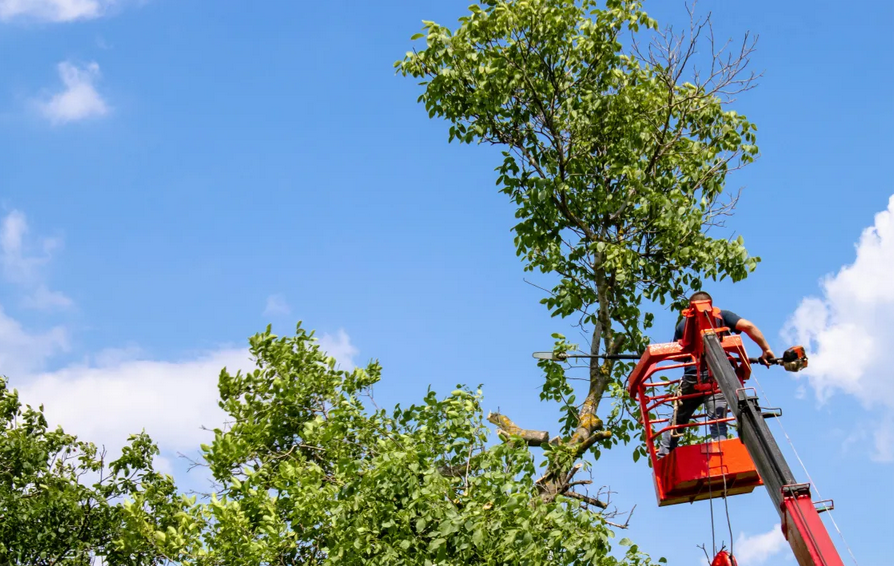
The Decision to Remove a Tree Is Sometimes the Responsible One
Letting go of a tree that has defined your yard for years is not an easy call, but it is sometimes the most responsible one a property owner can make. Knowing the signs that indicate a tree has reached the end of its functional life helps you make that decision from a position of knowledge rather than uncertainty. For property owners navigating that decision, tree removal Atlanta professionals provide honest assessments and safe, efficient removal when the time comes.
Structural Decline Is Not Always Visible from the Outside
A tree can appear healthy from a distance while harboring significant internal decay that has compromised its structural integrity. Fungal growth at the base of the trunk, soft or hollow sections when the bark is tapped, and the presence of carpenter ants or other wood boring insects are all indicators of internal decay that weakens a tree from the inside out. S
Dead or Dying Branches Signal a Larger Problem
A few dead branches in an otherwise healthy canopy can often be addressed through selective pruning without removing the entire tree. When dead or dying branches represent a significant portion of the canopy, however, the situation tells a different story. Widespread branch dieback typically reflects a root system, vascular system, or trunk condition that has deteriorated beyond the point where the tree can sustain healthy growth.
Root Damage Creates Instability That Is Easy to Underestimate
The root system of a mature tree extends well beyond the visible canopy and provides the structural foundation that keeps the tree standing under normal and adverse conditions. Construction activity, soil compaction, grade changes, and disease can all compromise root systems in ways that are not visible above ground until the tree begins to lean, heave the surrounding soil, or show signs of stress in its upper growth.
Location Determines How Urgently a Declining Tree Needs to Come Down
Not every declining tree presents the same level of urgency. A tree showing signs of structural weakness in an open field carries a different risk profile than the same tree positioned over a roof, a driveway, a fence line, or a space where people regularly gather. Location is a critical factor in the removal decision, and trees situated where a failure would cause property damage or personal injury move to the front of the priority list regardless of how gradual their decline has been.
Conclusion: The Decision to Remove a Tree Is Sometimes the Responsible One
To bring it all together, recognizing when a tree has declined beyond recovery requires looking past surface appearance and understanding the structural, biological, and location factors that determine real risk. Internal decay, widespread branch dieback, root damage, and proximity to structures are the signals that tell a property owner it is time to act. Removing a tree at the right moment, with the help of qualified professionals, protects your property, your safety, and the surrounding landscape from the consequences of waiting too long.
Recent Comments